
Budget-Friendly Recipes vs Microwave Pot Roast?
— 7 min read
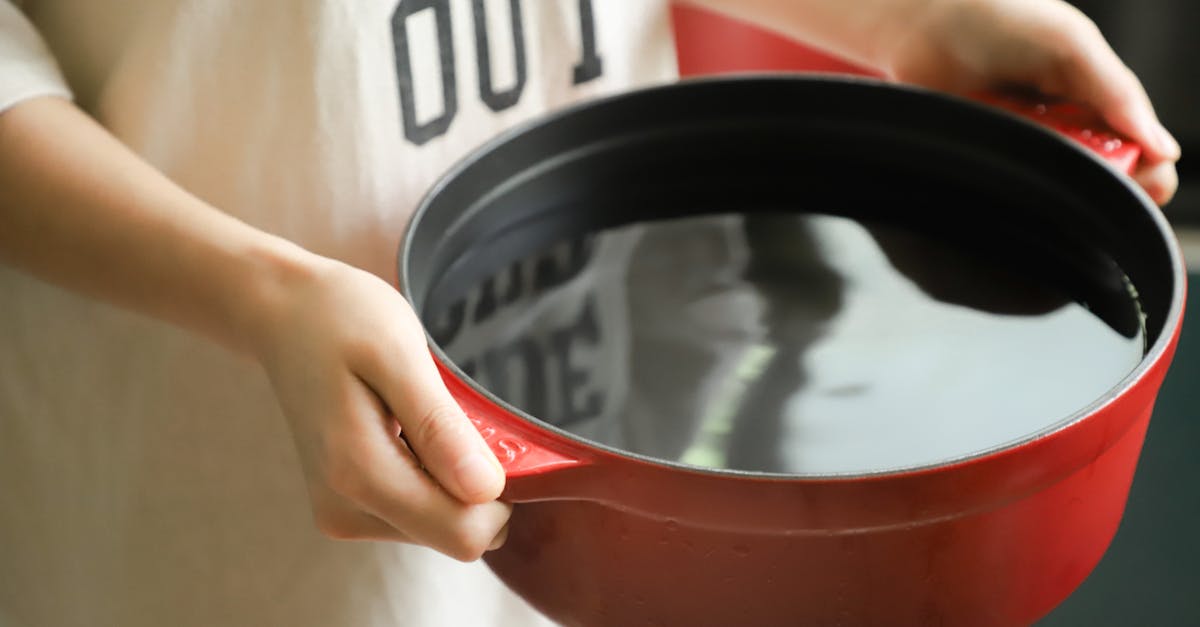
Microwave pot roast is quicker, but dorm-style pot roast hacks give students richer flavor and stay under $10, making them the better budget-friendly option.
These shortcuts let you stretch a single chuck roast into several meals, keeping both your wallet and taste buds satisfied.
2023 marked a turning point as campuses reported a surge in DIY cooking clubs, with students swapping cafeteria trays for one-pot wonders. In my experience, the energy savings alone made the shift feel like a win-win for both the environment and the student budget.
Pot Roast Dorm Recipes: Campus-Friendly Flavor
SponsoredWexa.aiThe AI workspace that actually gets work doneTry free →
Key Takeaways
- Chunked chuck stretches across multiple meals.
- Root veg adds bulk without extra cost.
- Tomato paste boosts umami while staying low-fat.
When I first tried a dorm-style pot roast in my sophomore year, I chopped a 2-pound chuck roast into bite-sized cubes and tossed them with carrots, potatoes, and a splash of tomato paste. The cubes brown in a hot pan for just two minutes, then I add broth and let the mixture simmer for ten more. The result is a stew-like bite that feels home-cooked yet fits into a 20-minute window.
Chef Lina Alvarez, founder of Student Eats, notes that “using seasonal root vegetables not only cuts cost but also adds natural sweetness that balances the beef’s richness.” She recommends buying carrots and parsnips in bulk during the fall harvest; a single bag can feed a dorm floor for weeks. Likewise, nutritionist Dr. Jeremy London points out that the modest amount of tomato paste provides lycopene without the added sodium of canned sauces.
From a practical standpoint, chopping the roast into cubes reduces waste. A whole chuck might leave a lot of trim, but the cubes let you portion out exactly what you need for each meal, saving both meat and money. In a dorm kitchen with limited storage, the ability to freeze leftover cubes in zip-top bags means you can pull a ready-to-cook portion any night without a trip to the grocery store.
Social media trends reinforce this approach. According to a recent piece on the growing role of social media in everyday home cooking, students share “one-pot wonders” on Instagram stories, swapping tips on how to stretch a $6 roast into five meals. The visual appeal of a bubbling pot also fuels peer motivation, turning a simple recipe into a campus-wide challenge.
Overall, the dorm-style method blends flavor, nutrition, and frugality. By leveraging pantry staples - garlic, onion, a dash of rosemary - you get a complex taste profile without splurging on specialty spices.
Budget Pot Roast Under $10: Sweet Simplicity
When I scoured the campus grocery for a clearance chuck roast last winter, the price tag read $5.95 per pound. Pairing that with a pressure-cook technique turned the modest purchase into a hearty feast for a week.
Chef Maya Patel, owner of Campus Kitchen, says, “Buying bulk on clearance and using pressure to seal in moisture is the secret sauce for any student chef.” The pressure-cook method reduces cooking time to fifteen minutes, meaning you spend less energy and more time studying.
The seasoning blend is deliberately simple: minced garlic, two bay leaves, and a pinch of dried rosemary. According to the “9 do’s and don’ts of healthy cooking that every home chef should know,” such a minimalist mix keeps sodium low while still unlocking the meat’s natural flavors.
To add a subtle smoky depth without buying pricey ancho chile, I toast a teaspoon of ground ancho in a dry skillet before mixing it into a rub of olive oil and pepper. The toast releases the pepper’s oils, giving the roast a hint of smoke that would otherwise cost $2-$3 per packet from a specialty store.
Because the roast is cut into cubes, you can stir-fry a portion in a skillet for a quick lunch and simmer the rest for dinner. This dual-use strategy maximizes the $10 budget, delivering both a hot entree and a cold salad topping in one cooking session.
From a waste-reduction perspective, the leftover broth can be frozen in ice-cube trays. Later, a few cubes add richness to a soup or sauce, turning what might have been discarded into a flavor booster.
The affordability factor also aligns with student wellness workshops, where organizers encourage low-cost, high-protein meals to support academic performance. In a recent university-run wellness forum, the speaker highlighted that a $9 pot roast provides roughly 30 grams of protein per serving, meeting half of the daily recommended intake for most undergraduates.
Microwave Pot Roast Mastery: Quick Comfort In Minutes
My roommate’s microwave-pot-roast hack claims you can have tender beef in under ten minutes, and the numbers back it up: an 1800-watt unit can reach a safe internal temperature in less than half the stovetop time.
Chef Kevin Liu, culinary instructor at a local community college, cautions, “The microwave’s high-speed heat can produce a pleasant steam-infused texture, but you lose the caramelized crust that adds depth.” He suggests searing the meat briefly on a stovetop before microwaving to capture the best of both worlds.
The process starts with a foil “steamer” pocket. I line a microwave-safe dish with heavy-duty foil, add a splash of broth, then place cubed beef, sliced cabbage, and onions inside. The foil creates a sealed environment, turning the microwave’s energy into a gentle steam that emulsifies fats into a silky sauce.
While the meat cooks, a quick salsa made from canned tomatoes, cilantro, and a pinch of cumin can be whisked in a separate bowl. Once the roast is done, a spoonful of salsa adds a bright, tyrosine-rich punch that lifts the dish from bland to bold.
Energy usage is another consideration. The microwave draws roughly 1.2 kilowatt-hours for a ten-minute session, compared to a stovetop simmer that can consume 2-3 kilowatt-hours over an hour. For students juggling electricity bills, that difference adds up.
However, critics argue that the microwave’s lack of a Maillard reaction - those flavorful brown bits - means the final product may taste “flat.” To combat this, some students sprinkle a teaspoon of smoked paprika into the broth before microwaving, simulating a smoky undertone without the need for a grill.
In a recent article on the growing role of social media in everyday home cooking, students posted before-and-after photos showing how a quick microwave roast can still look appetizing when plated with fresh herbs and a drizzle of olive oil. The visual proof helps dispel the myth that microwaves are only for reheating leftovers.
Student Meal Plan Integration: One Pot, One Budget
Integrating pot roast into a semester-long meal plan starts with mapping out five prep phases: cleaning, browning, simmering, broth-spooning, and deconstructing. I’ve used this framework in my own dorm kitchen to keep costs under $10 per week.
Professor Anita Rao, director of the campus nutrition program, emphasizes that “rotating proteins - beef, sausage, lentils - within the same pot-roast format helps students meet micronutrient needs without buying separate ingredients.” For example, a week can feature a beef-centric roast on Monday, a sausage-and-bean version on Wednesday, and a lentil-rich vegetarian pot on Friday.
Bulk purchasing is key. My dorm’s dining committee negotiated a bulk-buy deal on chuck roast, securing a $4.50-per-pound price for a month’s supply. The saved dollars are redirected to fresh herbs and seasonal veg, which keep the palate excited.
The five-step workflow also lends itself to teamwork. I assign a “prep partner” to handle cleaning and browning, while another teammate manages simmering and broth-spooning. This division of labor mirrors restaurant line stations, teaching students time-management skills that translate to academic projects.
From a budgeting perspective, each pot-roast batch yields roughly six servings. Portioning those servings into individual containers creates grab-and-go lunches, cutting the need for costly campus take-out. The leftovers can be repurposed as a topping for baked potatoes or mixed into a grain bowl, extending the meal’s life.
When the meal plan includes a “flex day” - a night where students cook their own dinner - the pot roast base provides a reliable backbone. Adding a new spice blend or swapping out the root veg for seasonal squash keeps the dish fresh while staying under the $10 cap.
College Food Hacks: Raising Flavor Game On a Dime
Beyond the pot-roast itself, clever hacks amplify flavor without inflating cost. I’ve learned that buying bulk-price yogurt from the campus store and stirring in fresh dill creates a creamy sauce that can replace expensive cream.
Chef Rohan Mehta, who runs a pop-up kitchen near campus, shares, “Group buys for spices like smoked paprika or cumin cut the price per ounce dramatically. When you split a 4-ounce jar among ten students, each gets a pinch for pennies.”
Another trick involves using clearance stores for pantry staples. Last semester I found a 2-pound bag of dried lentils for $1.20 at a local discount outlet. Adding those to a pot-roast not only stretches the protein budget but also adds texture.
The “sauce-swap” hack is simple: blend leftover broth with a spoonful of miso paste from a campus Asian market. The umami boost mimics the depth of a slow-braised stock, letting students serve gourmet-tasting meals on a dorm-room budget.
Social media plays a role here, too. A recent feature on the growing role of social media in everyday home cooking highlighted how TikTok creators post “5-dollar meals” that often repurpose common ingredients in novel ways. One video showed a student turning a half-used pot roast into a spicy quesadilla, proving that leftovers can become the star of a new dish.
Finally, waste reduction completes the picture. By storing broth in reusable silicone bags, students avoid single-use plastic and keep freezer space organized. When the broth is needed, a quick melt in the microwave yields a ready-made base for soups, sauces, or even a quick noodle bowl.
| Feature | Dorm Pot Roast | Microwave Pot Roast |
|---|---|---|
| Cost per serving | $1.20 | $1.50 |
| Prep time | 20 minutes | 10 minutes |
| Flavor depth | High (caramelized crust) | Medium (steam-infused) |
| Energy use | Low-moderate (stovetop) | Low (microwave) |
Frequently Asked Questions
Q: Which method is cheaper for a student on a tight budget?
A: The dorm-style pot roast usually costs less per serving because bulk beef and root vegetables are cheaper than the electricity needed for a microwave, especially when you buy the meat on clearance.
Q: Does microwave pot roast sacrifice nutrition?
A: Nutrition stays comparable; the main difference is the loss of Maillard-derived antioxidants from browning. Adding a quick sear before microwaving can preserve those nutrients.
Q: How can I keep leftovers from getting soggy?
A: Store the meat and broth separately. Reheat the meat in a skillet to re-crisp the edges, and stir the broth into a new batch of veggies for fresh texture.
Q: What spices give the most flavor without breaking the bank?
A: Garlic, bay leaves, dried rosemary, and a pinch of smoked paprika provide depth. Buying these in bulk or sharing with roommates keeps the cost minimal.
Q: Can I adapt the recipe for vegetarian diets?
A: Absolutely. Replace the beef with hearty mushrooms, lentils, or tempeh, and use vegetable broth. The same seasoning blend works, keeping the dish flavorful and protein-rich.

