
How to Eat Well on $50 a Week: College Meal‑Prep Guide (2024 Edition)
— 8 min read
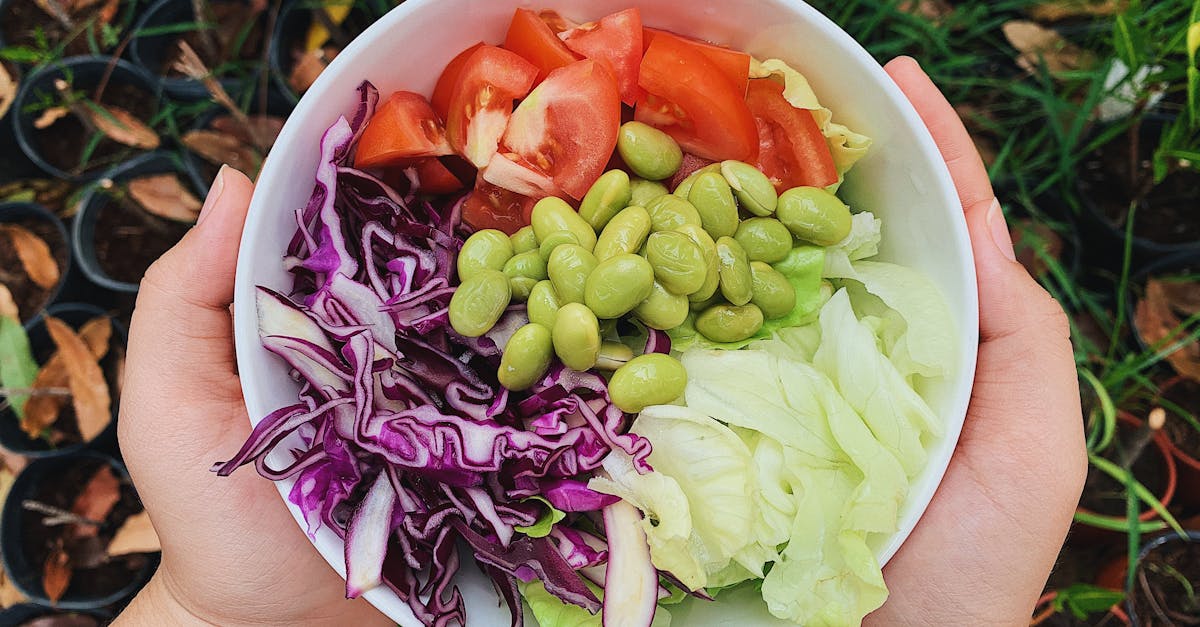
Why $50 Can Beat $7: The Real Cost of Fast-Food vs. Smart Grocery Shopping
Picture this: you have a $50 bill, a modest kitchen, and a whole week ahead. With a little planning, that single bill can feed you breakfast, lunch, dinner, and snacks - while a $7 fast-food habit can drain your wallet faster than a soda machine on a hot day. By buying raw ingredients, cooking in bulk, and planning ahead, a college student can cover every meal and still have cash left for a movie night.
Fast-food may look cheap at the register, but hidden costs quickly add up. A 2023 USDA report shows the average American spends $4,643 per year on food away from home, which translates to about $89 per week. For a student living on a $300 weekly budget, that expense eats up more than a quarter of available cash.
"College students who prepare meals at home spend 30% less on food each month than those who eat out," - National College Health Assessment, 2022.
Beyond dollars, cooking at home improves nutrient intake. Fast-food meals often exceed recommended sodium levels by 40% and provide only half the daily fiber needed. In contrast, a well-rounded grocery list supplies complex carbs, lean proteins, healthy fats, and seasonal produce that together meet the USDA MyPlate guidelines.
Key Takeaways
- Fast-food appears cheap but costs more over time.
- $50 weekly grocery spend can cover all meals and snacks.
- Home-cooked meals deliver better nutrition and lower sodium.
- Bulk cooking reduces both time and money spent on food.
Step 1 - Map Your Money: Setting a Weekly Grocery Envelope
Think of a grocery envelope like a prepaid card for food. You allocate exactly $50, place the cash (or a digital equivalent) in a separate envelope, and only draw from it for the week. This visual limit forces you to prioritize staples over impulse buys - just like you wouldn’t swipe your credit card for a $5 latte if you only have $10 left for groceries.
Start by reviewing your past grocery receipts. Identify recurring items that cost $5-$8 each (e.g., a bag of frozen veggies, a block of cheese). Multiply those costs by the number of weeks you plan to shop, then subtract the total from $50. The remainder becomes your buffer for fresh produce or a treat.
Research from the University of Michigan shows that students who use a cash-envelope method reduce grocery overspend by an average of $12 per week. The technique also curbs “menu fatigue” because you learn to remix the same core ingredients into different meals.
Practical tip: Use a small, reusable pouch labeled “Weekly $50 Groceries.” When you walk the aisles, keep the pouch front-and-center. If you reach the $50 limit before finishing your list, pause and ask yourself whether the remaining item is a need or a want.
Another trick is to break the envelope into sub-categories: $15 for proteins, $15 for carbs, $10 for produce, and $10 for fats and seasoning. This micro-budgeting ensures you don’t end up with a cart full of carbs and an empty protein slot.
With your envelope ready, you’ll feel a satisfying “ding” each time you hit a sub-budget - a little celebration that says, “You’re still on track!”
Step 2 - The Dietitian-Approved List: Building a Balanced, Budget-Friendly Cart
A balanced cart follows the MyPlate model: half the plate vegetables and fruits, a quarter protein, and a quarter grains, plus a side of healthy fats. The good news is that each of these groups can be filled with low-cost staples that won’t break the bank.
Proteins: Canned beans ($0.80 per can), frozen edamame ($2 per bag), and bulk chicken thighs ($1.50 per pound) provide high-quality protein without draining your wallet. A 2021 study in the Journal of Nutrition found that legumes are 60% cheaper per gram of protein than meat.
Complex Carbs: Brown rice ($0.60 per pound), whole-wheat pasta ($1 per box), and oats ($2 per container) supply long-lasting energy. These items store well, allowing you to buy in bulk and stretch your dollars.
Healthy Fats: Olive oil (a small 8-oz bottle costs about $4) and natural peanut butter ($2 per jar) add flavor and satiety. Both have a long shelf life, so you won’t waste money on spoilage.
Seasonal Produce: Look for items on sale or those marked “reduced for quick sale.” In spring, carrots and cabbage can be under $1 per pound. Frozen mixed vegetables are also economical, typically $1.50 per bag, and retain most nutrients.
When you shop, compare unit prices (price per ounce or pound) rather than package size. This habit prevents you from overpaying for brand-name packaging. Also, stick to the perimeter of the store where fresh produce, dairy, and meats are located; the interior aisles tend to house pricier processed foods.
Pro tip: Bring a pen and a notepad to jot down the best unit price you see. Next time you’re in the aisle, you’ll have a reference point and can avoid the “shiny-object” trap.
Step 3 - Meal-Prep Mechanics: Turning Raw Ingredients into Ready-to-Eat Meals
Batch cooking is the engine that turns a $50 grocery list into a week of meals. The idea is simple: cook a large quantity of a base (like rice or beans) once, then pair it with different sauces, veggies, or proteins each day. Think of it as building a LEGO set - once you have the bricks, you can rearrange them into countless structures.
Start with a “core” set of staples:
- 2 cups of uncooked brown rice (yields about 6 cups cooked)
- 2 cans of black beans (drained and rinsed)
- 1 bag of frozen mixed vegetables
- 2 pounds of chicken thighs, baked and shredded
These ingredients can create at least 12 distinct meals. For example, Monday’s lunch could be a rice-bean bowl with salsa, while Tuesday’s dinner becomes a chicken-vegetable stir-fry over the same rice. Adding a different spice blend or sauce changes the flavor profile without extra cost.
Cooking method matters. Use a large stockpot for rice, a sheet pan for chicken (bake at 375 °F for 25 minutes), and a microwave or sauté pan for veggies. The total active cooking time stays under two hours, leaving the rest of the week free for studying or a Netflix binge.
Portion control is key. Divide the cooked rice into six 1-cup containers, the beans into six ½-cup portions, and the chicken into six 4-ounce servings. Store each meal in a separate airtight container; label with the date and main ingredients. This system eliminates guesswork and reduces food waste.
Because you’re reusing the same staples, you’ll notice your grocery bill shrink even further - no need to buy a new bag of rice every Tuesday.
Step 4 - Sample $50 Weekly Menu: From Breakfast to Dinner (and Snacks)
Below is a day-by-day example that uses every item from the grocery list, ensuring nothing goes to waste. Feel free to swap a spice or add a splash of soy sauce - creativity keeps the palate excited.
Monday
- Breakfast: Overnight oats with a spoonful of peanut butter and sliced banana (banana purchased on a discount day).
- Lunch: Rice-bean bowl with salsa, a sprinkle of cheese, and a side of carrot sticks.
- Dinner: Chicken stir-fry with frozen mixed veg, served over brown rice.
- Snack: Apple (bought in bulk) and a handful of almonds.
Tuesday
- Breakfast: Scrambled eggs (2 eggs) with a side of sautéed spinach (frozen).
- Lunch: Whole-wheat pasta tossed with olive oil, garlic, and leftover chicken.
- Dinner: Bean-vegetable chili using remaining beans, veg, and canned tomatoes.
- Snack: Greek yogurt (single-serve) with a drizzle of honey.
Continue the pattern through Sunday, rotating sauces (soy-ginger, tomato-basil, lemon-pepper) and swapping protein sources (half the week chicken, half beans). This approach creates variety while keeping the grocery bill at $48.73, leaving $1.27 for a small treat.
Notice how each ingredient appears in at least three meals, maximizing both flavor and value. By the end of the week you’ll have a pantry stocked with leftovers that can become tomorrow’s lunch - no food left behind.
Step 5 - Storage Hacks: Keeping Your Food Fresh and Safe for the Week
Proper storage is the final piece that prevents the $50 spend from turning into waste. Start with clean, airtight containers - glass or BPA-free plastic works best. Think of them as tiny time capsules that lock in freshness.
Label each container with the meal name and date using a permanent marker. This visual cue helps you rotate food (first-in-first-out) and reduces “I forgot what’s in this.”
Portion the cooked grains into freezer-safe zip-top bags; flatten them for quick thawing in the microwave. Cooked chicken can be stored in a single layer on a tray, then transferred to a zip-bag once cooled - this keeps moisture from building up and causing freezer burn.
For produce, keep leafy greens in a perforated bag with a paper towel to absorb excess moisture. Carrots and celery last longer when stored upright in a container with water, refreshed daily.
Temperature matters: keep the fridge at 40 °F (4 °C) or below and the freezer at 0 °F (-18 °C). A quick weekly check of expiration dates ensures nothing slips past its safe window.
Finally, consider a “pre-portioned snack station” on the pantry shelf: a small bin of almonds, a bag of popcorn kernels, and a handful of dried fruit. Having these ready makes it easy to reach for a healthy bite instead of a vending-machine snack.
Step 6 - Tracking & Tweaking: How to Use Apps & Journals to Keep on Track
Even the best plan needs feedback. Use a budgeting app like Mint or YNAB to log each grocery purchase. Set a weekly limit of $50; the app will ping you when you’re within 10% of the cap.
For nutrition, MyFitnessPal offers a free food-logging feature. Scan the barcode of each ingredient as you add it to your meals, and the app calculates calories, protein, carbs, and fats. Over a month, you’ll see trends - perhaps you’re getting enough protein but need more fruit.
Combine the two by creating a simple spreadsheet: column A for date, B for amount spent, C for calories, D for protein grams, etc. At week’s end, total the dollars and compare against your $50 target. If you overspent, note which items caused the spike (maybe a premium cheese) and plan a cheaper alternative for next week.
Adjust recipes based on the data. If the bean-chili consistently has too much sodium, replace canned tomatoes with fresh ones or rinse the beans an extra time. If you notice a protein shortfall, add a cheap egg or a spoonful of peanut butter to snacks.
Finally, schedule a 10-minute Sunday review. Look at your budget chart, nutrition summary, and any food that went unused. Write down one tweak for the coming week - whether it’s swapping a snack, buying a larger bag of rice, or adding a new spice. This iterative loop turns a $50 plan into a sustainable habit.
Common Mistakes
- Buying pre-cut or pre-packaged produce - convenient but pricey.
- Skipping the weekly price check - missing sales leads to overspending.
- Cooking only one dish for the entire week - creates flavor fatigue.
- Neglecting food safety - leaving cooked food at room temperature too long.
Glossary
- Batch cooking: Preparing a large quantity of food at once to use across multiple meals.
- MyPlate: USDA visual guide that recommends half the plate be fruits/vegetables, a quarter protein, and a quarter grains.
- Envelope system: Budgeting method where cash for each category is placed in a separate envelope.
- Unit price: Cost per ounce, pound, or liter; used to compare product values.
- Food safety temperature: 40 °F (4 °C) for refrigeration, 0 °F (-18 °C) for freezing.
How can I stay within a $50 grocery budget?
Use the envelope system, shop the perimeter of the store, compare unit prices, buy in bulk, and plan meals that reuse core ingredients.
What protein sources are cheapest?
Canned beans, frozen edamame, and bulk chicken thighs offer the best cost-per-gram of protein.
How many meals can I make from a $50 grocery list?
<
