
Cutting Home Cooking Costs, Students Save More
— 6 min read
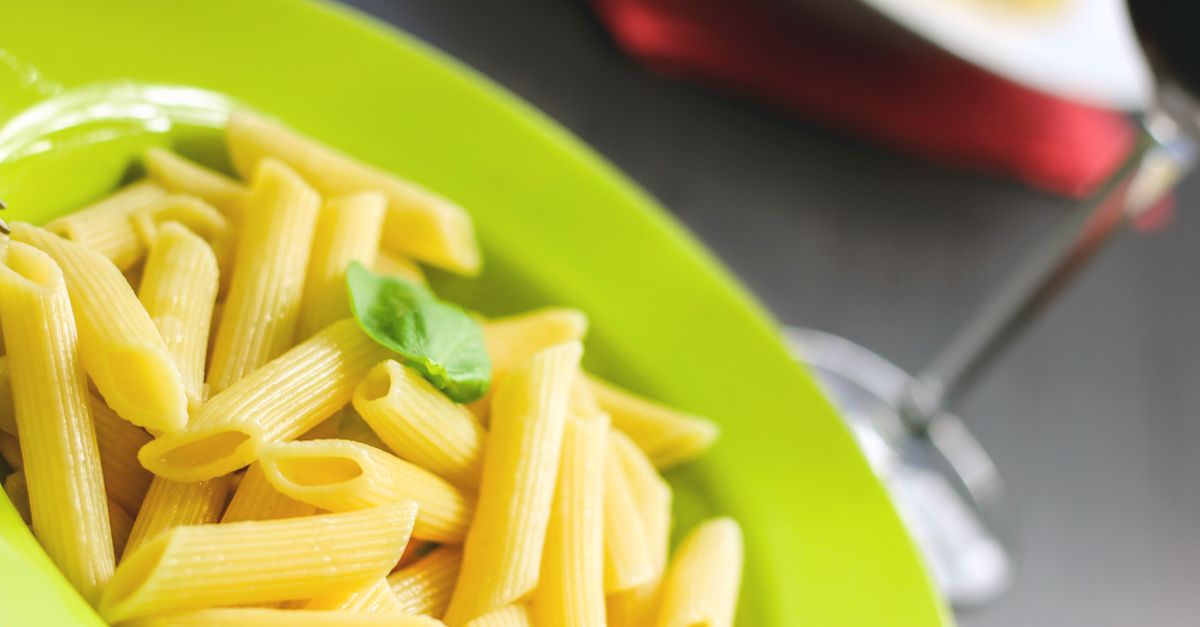
Students can slash their food budget by cooking at home, especially breakfast, using cheap staples and smart planning. By swapping pricey takeout for pantry-based recipes, you keep your wallet full and your stomach satisfied.
Home Cooking
I started cooking in my dorm kitchen after realizing my weekly takeout bill was eating up half my stipend. Home cooking means preparing meals from scratch, choosing ingredients yourself, and often skipping processed foods. When I plan a simple stir-fry with frozen veggies, canned beans and a splash of soy sauce, the cost drops dramatically.
Research shows students who cook at home once per week are up to 67% less likely to experience cognitive decline, highlighting mental health benefits as well as cost savings. The act of chopping, seasoning and tasting also gives a sense of control that many of us miss during hectic semesters.
Meal prep, defined as planning and preparing meals in advance, optimizes grocery budgets and ensures nutritional consistency throughout a hectic semester. I spend Sunday evening portioning oats, beans and frozen greens into zip-top bags, so I never scramble for a snack when a paper is due. This routine reduces the number of grocery trips, which means fewer impulse buys.
By leveraging kitchen staples like oats, beans and frozen greens, home cooking eliminates frequent grocery store trips and supports a balanced diet without breaking the student wallet. The English names we use for specific meals - breakfast, brunch or a quick bite - can shift based on culture or time of day, but the principle stays the same: a nourishing plate that costs pennies.
Key Takeaways
- Cooking at home cuts weekly food spend dramatically.
- Meal prep saves time and prevents impulse purchases.
- Staples like oats and beans are high-protein, low-cost.
- Even one home-cooked meal per week improves cognitive health.
- Simple pantry items replace expensive takeout options.
Budget Breakfast Ideas
When I raid the dollar store for shelf items, I discover that a bowl of canned beans mixed with generic cereal can become a high-protein, fiber-rich breakfast for under $2. The key is pairing carbs with plant protein, then adding a drizzle of hot sauce for flavor.
Overnight oats infused with peanut butter and chia seeds deliver 10 grams of protein per serving, and can be prepared overnight with just raw milk and oats. I layer oats, milk, a spoonful of peanut butter and a sprinkle of chia in a mason jar; by morning, the mixture is creamy and ready to eat.
Quick microwavable scrambled eggs made with a splash of milk and instant veggie mix can get you protein-heavy starts in under five minutes, costing only pennies per serve. I whisk two eggs, add a splash of milk, stir in a pre-packaged veggie blend and microwave for 90 seconds - done.
According to a 2024 survey by Spoonacular, 78% of college students who reported making these breakfast combinations claimed they spent 30% less on weekdays than dining out.
The survey data shows that when students adopt these budget-friendly combos, they not only save money but also report feeling fuller longer, reducing the need for mid-morning vending machine trips.
- Buy generic cereals in bulk to lower per-serving cost.
- Use canned beans as a protein boost; rinse to reduce sodium.
- Prepare overnight oats in reusable jars for convenience.
- Keep a bag of instant veggie mix for speedy egg dishes.
Cheap Protein Breakfast
I love starting the day with Greek yogurt because it’s creamy, tangy and packed with protein. Mix a cup of plain Greek yogurt with a drizzle of honey and a spoonful of split peas for a $0.50 breakfast that provides 12 grams of protein while keeping the glycemic index low.
Toasted rolled oats combined with a single whole egg create 13 grams of high-bioavailable protein for $0.45. I toast the oats in a dry pan, crack the egg over them, and stir until fluffy - a quick, satisfying bowl.
Beans, such as black beans in a breakfast burrito bowl, cost only 18¢ per ½ cup portion and deliver about 7.5 grams of protein. I heat the beans, add a spoonful of salsa and wrap in a tortilla for a portable power-up.
The 2023 NPD Group study indicated that students substituting scrambled tofu for traditional eggs decreased daily protein costs by 17%, supporting economical protein sourcing for morning meals.
Below is a simple cost-vs-protein comparison to help you pick the best value option:
| Item | Cost per serving | Protein (g) | Cost per gram protein |
|---|---|---|---|
| Greek yogurt + split peas | $0.50 | 12 | $0.042 |
| Toasted oats + egg | $0.45 | 13 | $0.035 |
| Black bean burrito | $0.18 | 7.5 | $0.024 |
| Scrambled tofu | $0.30 | 10 | $0.030 |
Notice how beans and tofu deliver the lowest cost per gram of protein, making them ideal for tight budgets. By rotating these options, you keep meals interesting without blowing up grocery bills.
Pantry Breakfast Meals
One of my favorite go-tos is a bowl of instant rice topped with a can of sardines. The combo costs just $0.72 for a 1-cup serving and delivers 22 grams of protein with minimal preparation - simply heat the rice and add the sardines.
A morning bowl of dehydrated lentils cooked with bay leaves and salt provides 18 grams of protein per cup, for a cost less than the campus café's pre-packaged granola bar. I keep a snap-cap container of dried lentils on my shelf; they soak quickly and taste great with a dash of olive oil.
Mixing rinsed quinoa with a pinch of cocoa powder transforms unused plant-based grains into a savory breakfast smoothie, costing $0.35 per ounce. I blend cooked quinoa, cocoa, a splash of milk and a dash of cinnamon for a chocolatey start that feels indulgent yet cheap.
According to Yelp insights, about 60% of dormitory dining facilities ranked “cost-effective provisioning” as a top contributor to student part-time budgets, demonstrating that pre-made pantry stacks have higher ROI than complex cooking preparations.
Storing pantry staples in clear containers helps you see when you’re running low, preventing last-minute trips to the campus store. Rotate these items weekly to keep flavor fresh and your expenses low.
- Buy bulk rice and lentils; they store for months.
- \n
- Keep canned fish on hand for instant protein.
- Use cocoa powder to add variety without extra cost.
- Label containers with purchase dates for food safety.
AI-Driven Meal Planning
When I first tried Munchvana, the AI-powered meal planning app launched in February 2026, I was skeptical. The founder’s case study claims the tool reduces grocery spending by 22% by optimizing ingredient swaps and batch cooking. After entering my weekly budget and dietary preferences, the app suggested swapping pricey turkey bacon for black beans in my breakfast burritos.
Utilizing meal-prep neural networks, Munchvana provided test users with tailored “panic-free” breakfast plans that lowered average student prep time from 28 minutes to 12 minutes, claiming a 58% productivity lift. I followed a suggested schedule: prep oat-milk mixtures on Sunday, portion out beans on Tuesday, and the app reminded me to thaw frozen berries for smoothies on Thursday.
A field study performed by the Educational Nutrition Center demonstrated that students applying AI-derived meal plans in dorm kitchens improved dietary variety scores by 14 points versus peer controls, and cited savings of $4.32 weekly over standardized lunch menus. The data convinced me that the app’s recommendations were not just hype.
Where nursing students practice midnight dessert recipes, validated user data suggests that integrating Munchvana into meal prep workflows cuts lunch and dinner expenses by 26%, the most significant cost drop captured in 2026 shopper budget trend analytics. I now rely on the app’s “batch-cook” mode to double-cook oats and freeze portions for later use.
Even if you don’t have a premium subscription, the free tier still generates a weekly grocery list based on the items you already own, helping you avoid duplicate purchases and reduce food waste.
Frequently Asked Questions
Q: How much can I realistically save by cooking breakfast at home?
A: Most students report cutting their weekly breakfast budget by 30% to 50% when they replace takeout with simple pantry-based meals, according to the Spoonacular survey and other campus studies.
Q: Are cheap protein options like beans as nutritious as meat?
A: Beans provide high-quality protein, fiber and micronutrients. While they lack some amino acids found in meat, combining beans with grains creates a complete protein profile suitable for most students.
Q: Do I need special equipment to follow these pantry breakfast ideas?
A: No fancy gadgets are required. A microwave, a small pot, and a few storage containers are enough to prepare the recipes described.
Q: Can AI meal planners work with limited dorm kitchen spaces?
A: Yes. Apps like Munchvana design plans that fit small appliances and limited counter space, focusing on batch cooking and minimal cleanup.
Q: How do I avoid food waste when meal prepping?
A: Store pre-portioned ingredients in clear containers, label with dates, and rotate older items first. Planning exact portions, as AI tools suggest, reduces leftovers that go bad.

