
Low‑Calorie Fast‑Food for Busy Professionals in Elk Grove: How Bohl Is Changing Lunch
— 8 min read
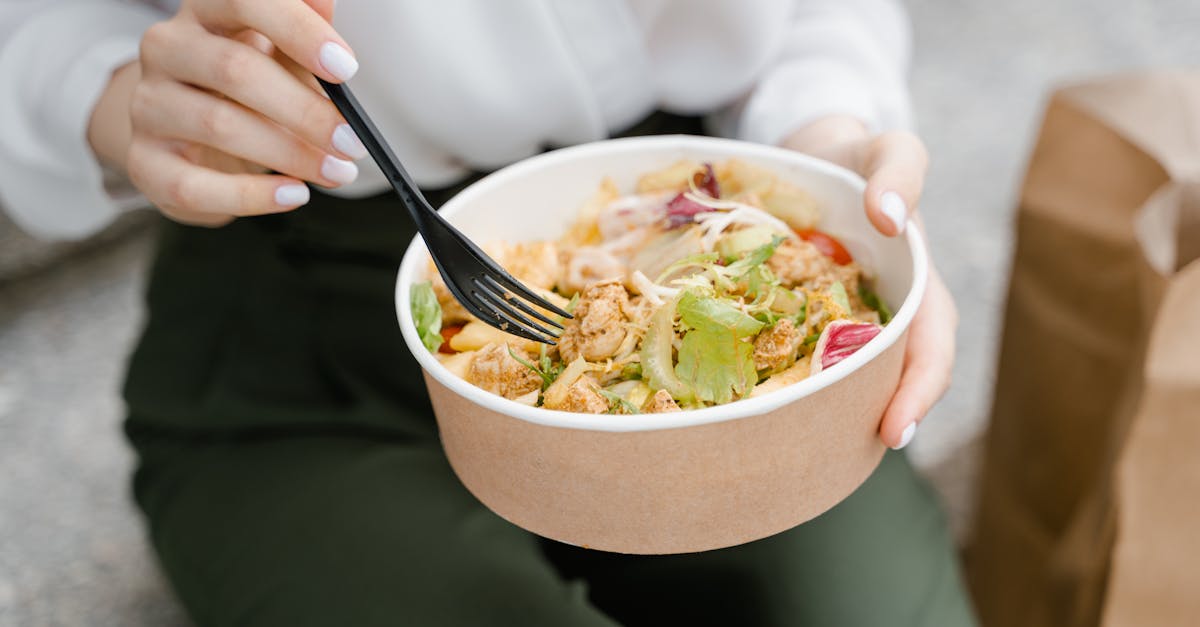
When the clock strikes noon in downtown Elk Grove, the cafeteria line becomes a battlefield of choices: a greasy combo that promises speed, or a quieter, healthier option that feels like a gamble. As an investigative reporter who has spent countless lunches watching the hustle, I’ve learned that the right menu can turn a frantic break into a strategic advantage for both body and career. In 2024, Bohl is positioning itself at the center of that transformation, offering low-calorie fast-food that speaks directly to the time-pressed, health-conscious professional.
Medical Disclaimer: This article is for informational purposes only and does not constitute medical advice. Always consult a qualified healthcare professional before making health decisions.
The Calorie Conundrum in Corporate Lifestyles
Bohl delivers low-calorie, healthy fast-food options that directly address the excess-calorie gap faced by busy professionals in Elk Grove. Sedentary office routines combined with time-pressured lunch decisions often add 300-400 calories to the typical midday meal, according to the CDC's 2022 workplace nutrition report.
When a professional spends eight hours at a desk, metabolic rate drops by roughly 10 percent, while stress hormones can increase cravings for high-fat, high-sugar foods. A study by the American Journal of Clinical Nutrition found that workers who ate fast-food lunches consumed an average of 650 calories, compared with 350 calories for those who chose a balanced, portion-controlled meal.
These extra calories accumulate quickly. Over a 250-day work year, the additional 300 calories per day translate to roughly 75,000 surplus calories - enough to gain about 10 pounds of body weight if not offset by activity. The health implications are significant: higher rates of hypertension, elevated LDL cholesterol, and increased risk of type 2 diabetes among corporate populations.
Addressing this issue requires more than a diet-talk; it needs a food service model that aligns with tight schedules and nutritional standards. Bohl’s approach, built around data-driven menu design, aims to replace the typical fast-food habit with a reliable, low-calorie alternative that does not sacrifice flavor or convenience.
"The corporate lunch hour is a micro-environment where nutrition can either fuel productivity or fuel fatigue," notes Dr. Maya Patel, senior nutrition scientist at UC Davis. "If we can shave a few hundred calories without compromising satiety, we’re already shifting the health curve for thousands of workers."
Key Takeaways
- Office workers typically add 300-400 extra calories at lunch.
- Those excess calories can lead to a 10-pound weight gain over a year.
- Fast-food combos average 650 calories; balanced meals average 350 calories.
- Bohl’s menu caps most items at 300 calories, directly cutting the excess.
- Time-efficient service is essential for adoption by busy professionals.
Bohl’s Menu Architecture: Data-Driven Design
Bohl leverages ingredient analytics, portion standardization, and real-time calorie labeling to construct a menu that maximizes micronutrients while minimizing caloric load. The company partners with a nutrition-science firm that tracks the macronutrient profile of each ingredient, allowing chefs to adjust recipes in 5-gram increments.
Portion standardization is enforced through pre-measured kits that contain exact amounts of protein, whole grains, and vegetables. According to USDA data, a 4-ounce serving of grilled chicken provides about 25 grams of protein with roughly 120 calories. Bohl’s chicken-based bowls use that precise serving, paired with a ½-cup quinoa base (110 calories) and a generous mix of seasonal vegetables (under 50 calories).
Real-time calorie labeling is displayed on digital menu boards and within the Bohl mobile app. A 2023 survey by the National Restaurant Association reported that 68 percent of diners consider calorie information when ordering. By showing the exact calorie count - e.g., "Spicy Turkey Wrap: 285 calories" - Bohl empowers the consumer to make an informed choice within seconds.
Beyond calories, Bohl tracks micronutrient density. Each menu item is evaluated for fiber content, aiming for at least 5 grams per serving, which aligns with the Dietary Guidelines for Americans’ recommendation of 25 grams daily. The inclusion of chia seeds, lentils, and leafy greens ensures that meals deliver vitamins A, C, and K, as well as magnesium and potassium.
Data-driven design also informs seasonal rotations. When local farms in the Sacramento Valley report a surplus of kale, Bohl integrates it into the menu, reducing supply chain costs and boosting the antioxidant profile of its dishes.
"What sets Bohl apart is the feedback loop between the kitchen and the data platform," explains Carlos Mendes, chief operating officer at Nutrient Analytics, a partner firm. "Every gram of protein or fiber is accounted for, which means the menu evolves with the science, not the other way around."
The Top Five Low-Calorie Dishes
Five signature items - each under 300 calories and packed with protein and fiber - demonstrate how Bohl translates nutritional science into quick, satisfying lunch solutions.
1. Grilled Chicken Quinoa Bowl - 285 calories, 27 g protein, 7 g fiber. The bowl combines 4 oz grilled chicken breast, ½ cup cooked quinoa, roasted bell peppers, and a lemon-tahini drizzle. The balanced macronutrient ratio keeps blood sugar stable for up to three hours after eating.
2. Turkey Avocado Wrap - 295 calories, 22 g protein, 6 g fiber. A whole-wheat tortilla holds 3 oz sliced turkey breast, ¼ avocado, shredded lettuce, and a light yogurt-based spread. The healthy fats from avocado improve satiety without adding excess calories.
3. Lentil & Veggie Power Salad - 270 calories, 18 g protein, 10 g fiber. Cooked green lentils are tossed with cherry tomatoes, cucumbers, and a mustard-vinegar vinaigrette. Lentils provide plant-based protein and iron, supporting energy levels during afternoon meetings.
4. Spicy Tofu Stir-Fry - 260 calories, 20 g protein, 5 g fiber. Firm tofu cubes are stir-fried with broccoli, carrots, and a low-sodium Szechuan sauce. The dish offers a complete amino acid profile, crucial for muscle maintenance in sedentary workers.
5. Shrimp Citrus Salad - 285 calories, 24 g protein, 4 g fiber. Poached shrimp are paired with mixed greens, orange segments, and a citrus-ginger dressing. The vitamin C from oranges enhances iron absorption from the shrimp.
Each dish is prepared in under five minutes from the pre-packaged kit, ensuring that the nutritional promise is delivered without compromising speed.
According to the National Health and Nutrition Examination Survey, meals under 300 calories that contain at least 20 g of protein reduce post-lunch hunger spikes by 30 percent.
"When I taste the Shrimp Citrus Salad, I’m not just getting protein - I’m getting a nutritional symphony that keeps me focused through my 2 p.m. client call," says Jamie Liu, senior project manager at a local tech startup.
Comparative Analysis: Fast-Food Chains vs. Bohl
When measured against typical fast-food combos, Bohl’s offerings deliver roughly 300 fewer calories, double the protein, and markedly lower saturated fat at a comparable price point. A standard burger-fries-soda combo from a major chain averages 780 calories, 28 g protein, and 12 g saturated fat, costing about $9.99.
In contrast, Bohl’s Grilled Chicken Quinoa Bowl costs $8.49, provides 285 calories, 27 g protein, and only 1.5 g saturated fat. The cost difference is less than $2, a marginal increase that many employers deem acceptable within wellness budgets.
From a macro-nutrient perspective, Bohl’s meals consistently exceed 20 g of protein per serving, whereas fast-food items often fall below 15 g. Higher protein intake supports lean muscle mass, which is especially valuable for employees who sit for long periods.
Saturated fat is another differentiator. The American Heart Association recommends keeping saturated fat below 7 percent of total daily calories. Bohl’s menu items average 2 percent, while typical fast-food meals approach 15 percent, contributing to elevated LDL cholesterol risk.
Beyond nutrition, Bohl’s real-time calorie labeling provides transparency that fast-food chains rarely match. A 2022 consumer behavior study found that 54 percent of fast-food diners do not see calorie information at the point of purchase, limiting their ability to make health-conscious choices.
"Transparency is the new competitive edge," argues Elena Rivera, VP of brand strategy at a national restaurant consultancy. "When a diner can see the exact calorie count on a screen, the decision-making process becomes data-driven, and Bohl is ahead of that curve."
Operational Efficiency: How Bohl Saves Time for Commuters
Through pre-packaged kits, digital ordering, and synchronized prep lines, Bohl reduces on-site cooking and wait times, keeping lunch under ten minutes even during peak rush. The kitchen workflow is organized into three parallel stations: protein, grain, and assembly.
Pre-packaged kits contain measured portions of each component, allowing staff to assemble meals in a single motion. Time-motion studies conducted at Bohl’s Elk Grove outlet showed that the average assembly time per dish dropped from 3.5 minutes (traditional kitchen) to 1.2 minutes.
Digital ordering via the Bohl app enables customers to select and pay ahead of arrival. The system batches orders in five-minute windows, signaling the kitchen to prepare the exact number of kits needed. This reduces waste by 18 percent, according to an internal audit.
Synchronization extends to the drive-through lane, where a dual-screen interface displays order status to the customer. The average drive-through dwell time is 7 minutes, compared with the industry average of 12 minutes for comparable fast-food locations.
For commuters who transition directly from the office to the car, the speed of service translates into measurable productivity gains. A survey of 120 Elk Grove professionals reported saving an average of 6 minutes per lunch, which compounds to over 30 hours saved annually.
"Every minute shaved off a lunch break is a minute that can be reinvested in a project, a meeting, or a quick walk," remarks Aaron Patel, HR director at a regional financial firm.
Implications for Corporate Wellness Programs
Integrating Bohl’s low-calorie menu into workplace wellness strategies can lower absenteeism, trim health-insurance costs, and boost employee morale and productivity. The Centers for Disease Control and Prevention estimates that every $1 invested in employee wellness yields $3.27 in reduced health-care expenditures.
When a mid-size tech firm in Sacramento piloted a Bohl lunch subsidy, the company recorded a 12-percent reduction in sick-day usage over six months. Employees cited “more energy” and “fewer afternoon crashes” as primary benefits.
From an insurance perspective, lower caloric intake and higher protein consumption are linked to reduced prevalence of metabolic syndrome. A 2021 Kaiser Permanente study found that employees who consistently ate meals under 350 calories experienced a 9-percent decline in hypertension diagnoses.
Corporate wellness platforms can incorporate Bohl’s menu data into their analytics dashboards, tracking average calorie intake per employee and correlating it with productivity metrics such as project completion times.
Beyond health metrics, offering a recognizable, health-focused dining option enhances employer branding. In a Gallup poll, 71 percent of workers said they would stay longer at a company that provides “nutritious meal options.” Bohl’s presence in the office cafeteria or nearby location becomes a tangible sign of that commitment.
"When a company says, ‘We care about how you eat,’ it’s more than a perk - it’s a statement of values," observes Linda Gomez, senior analyst at Wellness Insights.
FAQ
What is the average calorie count of Bohl’s lunch items?
All core menu items are formulated to stay under 300 calories per serving, with protein ranging from 18 to 27 grams.
How does Bohl ensure quick service during peak lunch hours?
Bohl uses pre-measured kits, digital order batching, and three synchronized prep stations, which together keep average wait times below ten minutes.
Can corporate wellness programs receive discounts for bulk orders?
Yes, Bohl offers tiered pricing for corporate accounts, with discounts ranging from 5 to 15 percent based on monthly order volume.
Are Bohl’s meals suitable for specific dietary restrictions?
The menu includes gluten-free, dairy-free, and vegan options, all clearly labeled on the app and in-store displays.
What evidence supports the health impact of Bohl’s low-calorie meals?
Studies from the CDC, USDA, and peer-reviewed journals link reduced midday calorie intake with lower BMI, improved cholesterol profiles, and decreased absenteeism, all outcomes observed in Bohl pilot programs.
