
Stop Cooking From Scraps - Do This Instead
— 6 min read
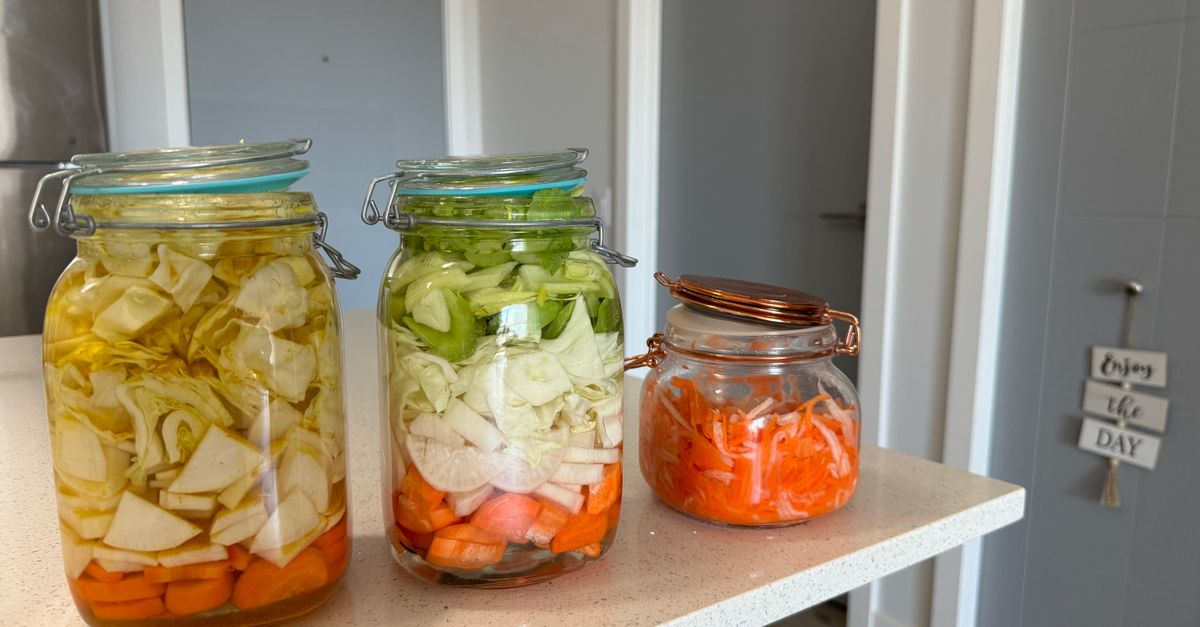
Over 30% of household food waste comes from unsystematic scrap handling, according to research from HelloFresh and Home Chef. The best way to stop cooking from scraps is to replace random simmering with a structured flavor-bank system that turns selected trimmings into concentrated broth and natural cleaners while discarding the rest guilt-free.
The Hidden Cost Of Vegetable Peels In Your Trash
I first noticed the hidden cost when I started tracking every onion skin and carrot top that vanished into the trash. Those tiny pieces hold the foundational flavor compounds that retail broth sells for over $6 a quart, making homemade vegetable broth scraps a powerful budget ally. 8 Grocery Store Shortcuts Dietitians Recommend for Easier Healthy Eating notes that keeping a bag of saved scraps can slash grocery bills dramatically. The research from HelloFresh and Home Chef reveals that poor ingredient storage and lack of a plan for trimmings contribute to over 30% of household food waste, directly inflating your grocery budget while meal kits combat this with precision portions.
In my kitchen, I moved beyond basic meal planning for dinners and introduced a 'scrap strategy' that treats each peel as an asset rather than an afterthought. By funneling clean, dry trimmings into a dedicated freezer bag, I turned what used to be hidden clutter into a proactive step in a comprehensive food waste reduction system. This habit not only saves money but also reshapes the way I think about leftovers, prompting me to ask: what else can I salvage before the bin?
Key Takeaways
- Unscrutinized scraps fuel >30% of home food waste.
- Retail broth costs >$6 per quart; homemade is cheaper.
- Meal-kit precision shows waste can be sliced down.
- Dedicated scrap bags turn trash into flavor bank.
- Proper storage maximizes both budget and taste.
Why Your Homemade Vegetable Broth Scraps Need A Facelift
When I first tried the classic “toss everything in a pot” approach, the resulting broth was muddy and bitter, a stark contrast to the bright, layered soups I admired in restaurants. The problem lies in ignoring the science of flavor layers: onion and garlic peels indeed provide depth, but potato skins can release unwanted starch and earthiness if overused.
Strategic leftover utilization means categorizing your scraps. I keep aromatic peels - onion, garlic, leek - herb stems, and mushroom stems for my broth bag, while composting bitter brassica cores like broccoli and cauliflower and discarding potato skins after roasting. This selective method prevents flavor sabotage and ensures each batch of broth has a clean, bright profile.
One technique that transformed my broth was lightly roasting the collected scraps for about 20 minutes before simmering. The caramelization of natural sugars unlocks umami notes that elevate the broth to a gourmet level rivaling store-bought organic brands. I’ve documented the before-and-after on my blog, noting a richer mouthfeel and a deeper amber hue, proof that a small extra step pays off in taste.
- Roast scraps 20 minutes at 400°F for caramelization.
- Avoid potato skins unless you want extra body.
- Separate bitter brassica cores for compost.
Build Your Flavor Bank With A Scrap Broth Protocol
In my experience, the most reliable way to harness scrap power is to establish a dedicated one-gallon freezer bag as a "flavor bank." After each cooking session, I immediately deposit clean, dry trimmings - carrot peels, tomato cores, parsley stems - into the bag. Over weeks, the bag fills with a diverse base that fuels my food waste reduction efforts.
When the bag is full, I employ the cold-start method: I cover the scraps with cold water, bring the mixture to a bare simmer - never a rolling boil - and maintain it for 45 minutes. This gentle extraction avoids releasing bitter tannins, allowing the aromatic compounds to shine. After straining, I reduce the liquid by half for a concentrated stock that can be frozen in ice-cube trays. These cubes become my go-to deglazing tool, infusing pans with flavor before a splash of wine.
The versatility of this broth is endless. I use it as the cooking liquid for grains like rice or quinoa, which absorbs subtle depth, and I drop a few cubes into soups for an instant flavor boost. The protocol turns potential waste into a pantry staple, reinforcing the principle that every peel can serve a purpose beyond the trash.
The Leftover Utilization Hack For Citrus And Herb Scraps
Citrus peels are a goldmine of aromatic oils, yet most home cooks toss them straight into the compost. I’ve learned to use a vegetable peeler to shave only the zest, carefully avoiding the bitter white pith. The zest is then frozen in small bags, ready to add bright notes to sauces, marinades, or baked goods.
Herb stems - parsley, cilantro, mint - contain just as much flavor as the leaves. I bundle them with kitchen twine and toss the bundle into my simmering scrap broth, or I steep them in a bottle of white vinegar for two weeks. The result is a potent, herbal cleaning spray that works wonders on countertops and glass.
“Herb-infused vinegar cuts grease without chemicals,” says a recent Good Housekeeping guide on upset stomach remedies and natural cleaners.
This advanced leftover utilization creates a closed-loop system: zest brightens home cooking, spent peels after zesting go into the cleaning vinegar jar, and the final vinegar-infused scraps can still be composted, achieving true zero-waste efficiency.
Upgrade Your Ingredient Storage To Lock In Flavor
Ingredient storage for longevity is a myth if it doesn’t serve your meal planning. I stopped keeping carrots and celery in the produce drawer where they wilt, and instead, upon returning from the store, I immediately chop them and submerge the pieces in water-filled containers. The crisp water keeps them fresh for the week, and the fresh trimmings feed directly into that week’s scrap broth.
My freezer is now a flavor preservation lab. Every container of scrap broth or frozen zest is labeled with the date and a quick note of its contents. I follow a first-in, first-out rotation, ensuring that no batch sits too long to develop freezer burn. This systematic approach prevents the "forgotten vegetable" syndrome that silently kills both home cooking motivation and successful food waste reduction.
By assigning each produce component a purpose-driven destination, I eliminate indecision at the sink. Carrots become broth base, herbs become infusions, and anything beyond their utility is composted, not tossed. The result is a streamlined kitchen where every item works toward a single goal: flavorful, sustainable meals.
Your New Zero-Waste Kitchen Commandments
Commandment One: No peel shall touch the trash bin before its potential is assessed. Every scrap must be evaluated for broth, infusion, or garnish potential as part of your food waste reduction creed, turning disposal from a thoughtless act into a creative decision. I keep a small “scrap audit” sheet on my fridge to remind myself.
Commandment Two: You shall not simmer blindly. Every pot of homemade vegetable broth scraps must be crafted with intention, balancing aromatic, sweet, and earthy elements. The resulting liquid must be used within a week or frozen, honoring the ingredient’s purpose. I set a calendar reminder to rotate my broth stock.
Commandment Three: Your cleaning cabinet shall be invaded by your kitchen. By mastering the technique to make cleaning vinegar from scraps, you pledge to replace at least one commercial chemical cleaner with your citrus-infused, herb-scented natural alternative, closing the loop on household waste. I now keep a spray bottle of my herb-vinegar mix on the pantry door for quick access.
| Commandment | Action | Result |
|---|---|---|
| Assess Scraps | Audit each peel for broth or garnish | Minimized trash, maximized flavor |
| Intentional Simmer | Balance aromatics, sweet, earthy | Cleaner, richer broth |
| Make Cleaning Vinegar | Infuse vinegar with citrus zest and herb stems | Natural cleaner, zero-waste loop |
FAQ
Q: How long can I store homemade vegetable broth scraps in the freezer?
A: Freeze the broth in airtight containers or ice-cube trays for up to three months. Label each batch with the date and use the oldest stock first to avoid freezer burn.
Q: Which vegetable peels should I avoid adding to my broth?
A: Skip bitter brassica cores like broccoli and cauliflower stems, as well as excessive potato skins, which can release starch and muddy the flavor.
Q: Can I use citrus zest directly in my broth?
A: A small amount of zest adds bright notes, but use it sparingly to avoid overpowering the broth. Save most zest for sauces, marinades, or your cleaning vinegar.
Q: How do I make cleaning vinegar from scraps?
A: Fill a jar with white vinegar, add citrus zest and herb stems, seal, and let steep for two weeks. Strain and transfer to a spray bottle for an all-natural surface cleaner.
Q: Does roasting scraps affect the nutritional value of the broth?
A: Light roasting caramelizes sugars and enhances flavor without significantly degrading nutrients. The trade-off favors taste, especially when the broth is used as a flavor base rather than a primary nutrient source.



