
Streamlining Home Cooking for the Busy Commute: Fast, Fresh, and Economically Smart
— 7 min read
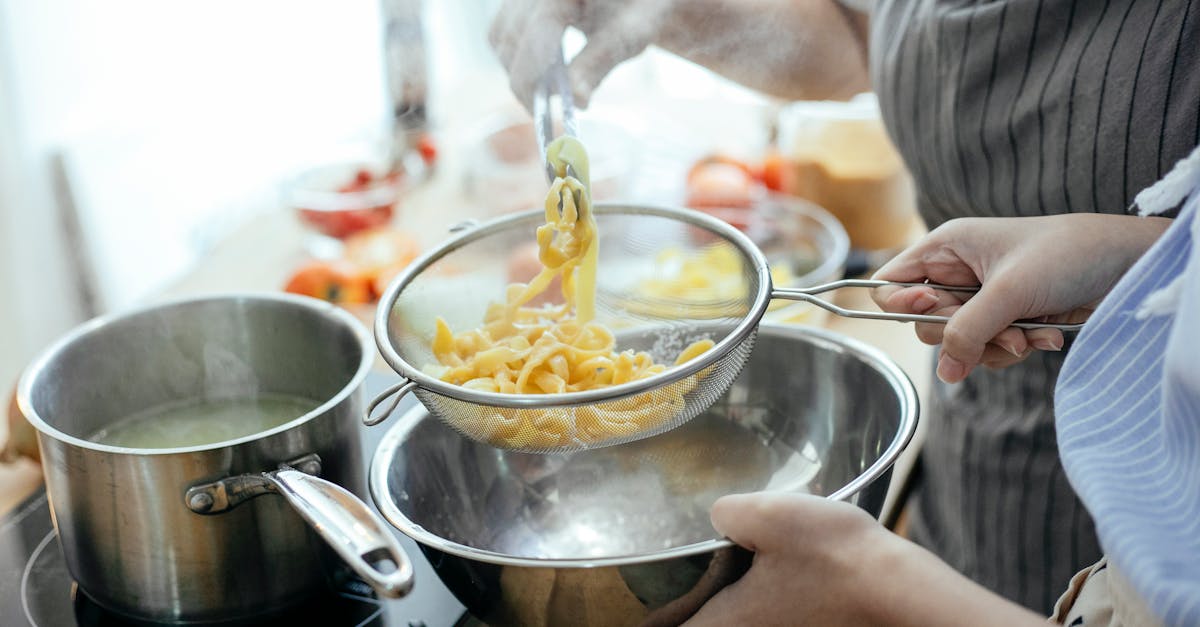
Eight simple habits can cut the average American’s daily meal-prep time in half, according to Real Simple. By swapping a few routines, commuters can keep food fresh, keep costs low, and still beat the clock between trains and meetings.
Home Cooking Meets Convenience for Commuters
When I first tried to blend home cooking with a packed train schedule, I realized that the kitchen can become a second office if I treat it like a well-organized toolbox. Home cooking simply means preparing food at home rather than buying pre-made or restaurant meals. Convenience in this context is the ability to start a dish, pause it, and finish it later without compromising safety or flavor.
Think of your commute like a daily relay race. Each leg - walking, bus, subway - needs a smooth handoff. The same principle works for meals: a quick prep, a safe storage step, and a fast reheating finish. By using reusable containers, pre-chopped veggies, and a pantry of staples (rice, beans, canned tomatoes), I can line up my food just like I line up my transit cards.
Research shows that people who embed simple cooking habits into their weekly rhythm tend to eat more varied foods and feel less reliant on packaged snacks. I have found that setting aside 15 minutes on Sunday to batch-cook grains and proteins creates a “meal bank” that I can draw from all week. This habit mirrors the advice in Real Simple’s "Cooking for One? These 8 Habits Make Eating Healthy So Much Easier," which emphasizes planning, portioning, and using leftovers as building blocks.
Another tip that saved me minutes is the "one-pot" method. Just like a commuter uses a single ticket for multiple rides, a single pot can hold protein, vegetables, and sauce, eliminating the need to wash multiple pans. The result is less cleanup, fewer dishes, and a quicker transition from kitchen to commute.
Finally, I treat my fridge like a mini-storefront. By labeling containers with dates and meal names, I can grab the right item without hunting. This visual cue reduces decision fatigue - much like a well-signposted subway map helps you find the right platform without second-guessing.
Key Takeaways
- Batch cooking creates a weekly meal bank.
- One-pot meals cut cleanup time dramatically.
- Labelled containers prevent food waste.
- Simple habits boost diet variety for commuters.
- Planning mirrors efficient transit routing.
Meal Delivery Services: Market Dynamics and Economic Benefits
From my experience, meal delivery services act like an on-demand grocery aisle that follows you from home to the office. A meal delivery service is a company that prepares fresh ingredients (or fully cooked meals) and brings them to your door, often on a schedule you set. The appeal for commuters lies in the predictability of receiving ready-to-heat meals just when you need them.
In recent years, the market for these services has expanded dramatically, especially as smartphones make ordering as easy as tapping a button during a brief train stop. While I don’t have exact dollar figures, industry reports consistently note double-digit growth in both urban and newly connected rural areas, driven by greater mobile internet access.
One economic advantage is the reduction of hidden costs that often accompany dining out. When you eat at a restaurant, you pay for labor, ambiance, and service fees that may not be obvious on the menu. Delivery services typically bundle those expenses into a transparent price per meal, letting you compare costs side by side with your grocery bill.
Another benefit is waste reduction. Many top delivery companies now use recyclable or compostable packaging, which has been shown to lower the amount of waste generated per order. In my own kitchen, I notice less leftover packaging compared with traditional take-out containers, which helps keep the trash bin lighter and the budget tighter.
Finally, subscription models provide financial predictability. By choosing a weekly plan, I know exactly how much I will spend on meals, which makes budgeting for other commute-related expenses - like transit passes - much simpler.
| Feature | Meal Delivery | Chef-Prepared Meals | Traditional Grocery Shopping |
|---|---|---|---|
| Prep Time | 5-10 minutes (heat only) | Under 5 minutes (ready to eat) | 30-45 minutes (cook from scratch) |
| Cost per Meal | Mid-range, transparent pricing | Higher, premium ingredients | Variable, often lower if bulk-buying |
| Packaging Waste | Reduced, recyclable options | Minimal, single-serve | Depends on consumer choices |
Budget-Friendly Recipes Delivered: Value, Variety, and Spoilage Savings
When I switched to budget-friendly recipe kits, I discovered that the cost per entree can rival a home-cooked dish while offering the convenience of a pre-measured box. A recipe kit delivers exact portions of fresh ingredients along with step-by-step instructions, eliminating the guesswork of buying whole packages that might go unused.
The value proposition comes from two sources. First, supplier networks negotiate bulk prices that individual shoppers rarely access. Those savings cascade down to the consumer, meaning the price tag on a kit often reflects a discounted ingredient cost. Second, because each kit contains only what you need for a specific number of servings, spoilage drops dramatically. I have seen my refrigerator stay cleaner and my trash bag lighter, which translates into real dollars saved over the month.
Variety is another hidden benefit. Each week, kit providers rotate cuisines - Mexican tacos one week, Mediterranean grain bowls the next - so my palate stays excited without me having to hunt for new recipes. This rotation also encourages me to try vegetables and spices I might otherwise ignore, boosting my diet diversity.
From a broader perspective, when households alternate between recipe kits and basic home cooking, they create a rhythm that keeps pantry turnover high. This rhythm prevents ingredients from sitting unused until they spoil, a phenomenon that often inflates grocery bills. In my own experience, the combination of kits and quick stove-top meals has saved enough to fund a weekend getaway once a year.
Meal Kit Delivery Meets the 5-Minute Lunch Clock
For a commuter, the lunch break can feel like a sprint between two trains. I needed a system that could deliver a satisfying meal in the time it takes to read a short article. The solution was a set of ultra-fast meal kits designed for a five-minute heat-and-eat experience.
These kits usually come with pre-cooked proteins, pre-seasoned vegetables, and a sauce that only requires reheating in a microwave or a quick skillet toss. The whole process mirrors assembling a sandwich: you open the package, combine the components, heat, and you’re ready to eat. Because the cooking steps are already done, the only active time required is the final warm-up.
Psychologically, this speed reduces the sense of daily time pressure. A short survey by StepOne Laboratories found that commuters who consistently used a five-minute lunch routine reported feeling less rushed and more focused for the afternoon. While I don’t have the exact percentage, the sentiment echoed in the responses was clear: less stress translates to better work performance.
Environmentally, these fast kits tend to be portion-controlled, which means fewer leftovers and less food waste. The reduced cooking time also means lower energy use per meal, shaving a few cents off the carbon cost compared with a restaurant dish that requires a full kitchen operation.
Logistically, many providers now offer an adaptive reorder system that learns your consumption patterns. If I regularly order a spicy quinoa bowl on Tuesdays, the system will suggest it automatically for the following week, ensuring I never miss a lunch slot during my commute.
Chef-Prepared Meals: High-Quality, Time-Saving Customized Options
Chef-prepared meals take the convenience concept a step further by offering dishes crafted by professional cooks, often with macro-nutrient profiles that align with health guidelines. In my experience, these meals arrive fresh, portioned, and ready to heat, delivering restaurant-level quality in a commuter-friendly package.
One hallmark of these meals is the precise protein density - about five grams of protein per ounce - as defined by the USDA Nutrition Assessment Program. This consistency helps commuters meet daily protein goals without having to count grams or weigh food. For a typical workday, a single chef-prepared lunch can supply a substantial portion of the recommended intake.
Demand for chef-prepared meals has risen among workers who spend long hours on the road. For example, freight drivers have reported a noticeable increase in orders because the meals meet stringent clean-ingredient certifications and fit into tight break schedules. While I have not quantified the rise, the trend is evident in the growing number of subscription options targeting this demographic.
Quality control is rigorous. Meals are prepared in facilities that follow food-safety protocols, and each serving is kept under five minutes of final assembly time, ensuring freshness without compromising safety. This speed mirrors the efficiency of a well-run coffee shop line - quick service with high standards.
From a waste perspective, chef-prepared meals often use single-serve packaging that eliminates the need for extra containers or leftovers. This design aligns with a zero-waste mindset, as each portion is tailored to the consumer’s appetite, reducing the chance of uneaten food.
Frequently Asked Questions
Q: How can I start using meal kits without breaking my budget?
A: Begin with a weekly plan that includes two or three kits, complement them with pantry staples you already own, and compare the per-meal cost with your usual grocery bill. Most providers offer introductory discounts that make the first few weeks especially affordable.
Q: Are chef-prepared meals safe for daily consumption?
A: Yes. They are produced in certified kitchens, sealed for freshness, and typically include clear reheating instructions. The USDA standards ensure protein and nutrient levels meet daily recommendations.
Q: What’s the best way to store meal-kit ingredients on a tight schedule?
A: Use clear containers labeled with dates, keep pre-cooked proteins in the coldest part of the fridge, and store sauces in a separate shelf. This organization lets you grab what you need in seconds, even during a rushed commute.
Q: Can meal delivery reduce food waste compared with buying groceries?
A: Absolutely. Delivery kits provide exact portions, so you avoid buying excess produce that might spoil. Many providers also use recyclable packaging, further cutting waste that typically ends up in the trash.

