
Your Reheating Habit Is Costing You Money
— 5 min read
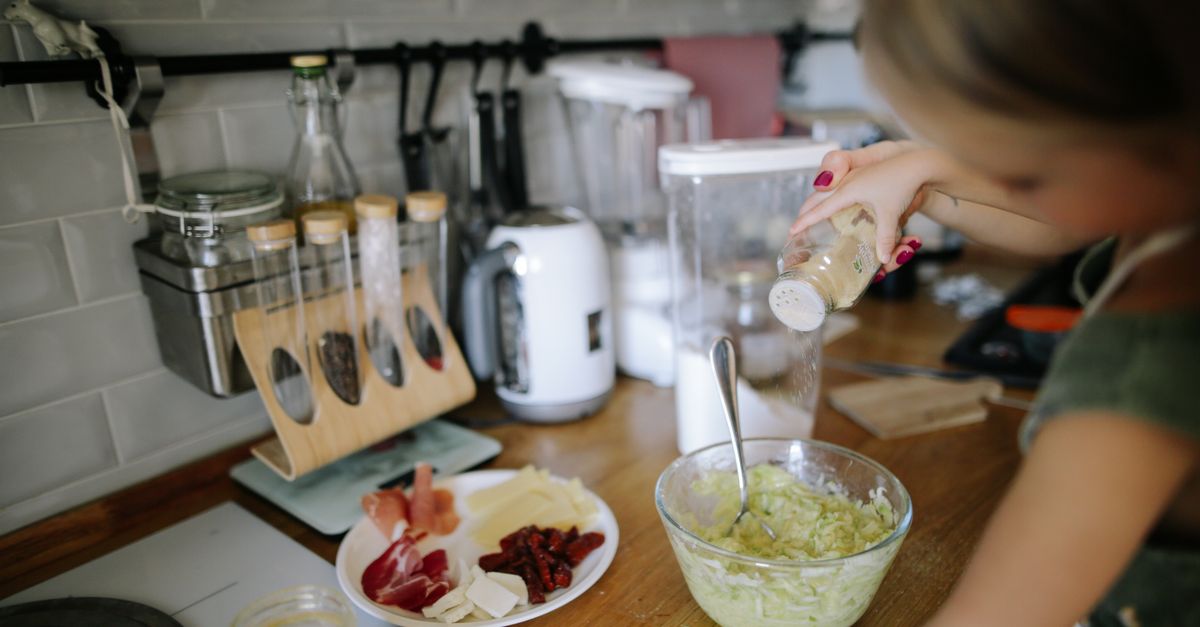
31% of the food we buy is thrown away, and reheating leftovers the wrong way turns many of those meals into waste, costing you money. You might think saving a few bucks by packing last night’s dinner is smart, but the hidden expense lives in the fridge’s graveyard of forgotten plates.
Why 80% of Food Waste Starts in Your Fridge
Key Takeaways
- Most waste begins with forgotten leftovers.
- Chef-level inventory cuts spoilage.
- Treat leftovers as future ingredients.
- Simple mindset shift saves money.
- Plan ahead to avoid the soggy graveyard.
In my kitchen, I treat the refrigerator like a pantry closet: if I don’t see an item, I move it to the front and plan to use it that week. The single biggest economic leak isn’t splurging on premium ingredients; it’s the slow decay of perfectly good leftovers you intended to eat but dread, turning potential savings into literal waste.
Celebrity chef Bobby Flay shows how a restaurant-grade inventory system can stop this leak. He and his partner Brooke Williamson keep a daily log of what’s in their Hamptons fridge, rotating older items to the front and labeling everything with a use-by date. I’ve borrowed that habit by writing quick notes on a whiteboard at home, and the difference is striking.
When you shift your mindset from “reheated meal” to “ingredient for tomorrow’s dish,” you unlock the core of food waste reduction hacks. Every container becomes a building block for a new recipe, not a stale reminder of a missed dinner. This mental flip is the first step toward turning every leftover into a strategic asset for weekly meal planning.
"Food waste is a hidden cost that can erase the savings you think you’re gaining from leftovers." - food waste experts
The 3-Step Leftover Transformation Your Kitchen Needs
I love a good kitchen shortcut, but the microwave’s soggy setting is a dead end. The most effective tip is to reintroduce contrasting textures. A quick sear in a hot pan or a blast in an air fryer can turn limp veggies into crispy bites and give tired proteins a fresh crust.
Step one: Texture Reset. Grab the leftover chicken, pork, or roasted veggies and give them a minute in a dry skillet over medium-high heat. The heat drives off excess moisture, creating a satisfying crunch that feels like a brand-new dish.
Step two: Flavor Lift. Inspired by how Brooke Williamson builds layers of taste, a splash of lemon juice, a dash of vinegar, or a spoonful of mustard can cut through richness and brighten flat flavors instantly. I keep a small bottle of citrus-infused olive oil on the counter for this exact purpose.
Step three: Build-a-Bowl. Prepare foundational components - grains, roasted vegetables, and a protein - separately, then mix and match throughout the week. The flexibility means you never eat the same reheated plate twice, and you avoid the boredom that usually drives people to toss leftovers.
By applying these three steps, I’ve turned a weekly leftover pile into a rotating menu of bowls, wraps, and salads, all while keeping my grocery budget intact.
Meal Planning That Actually Fights Food Waste
Rigid meal plans are like a locked toolbox - you can’t reach the tools you need when the job changes. Instead, I plan flexible “ingredient blocks.” For example, a batch of shredded chicken, roasted root vegetables, and cooked quinoa become the backbone of tacos, soups, or stir-fry depending on what else needs using up.
In my experience, designating a “fusion night” each week forces creativity. The goal is simple: combine every stray piece in the fridge into a single, new dish. One week I made a “leftover jambalaya” using wilting peppers, a half-cup of rice, and bits of sausage that were about to spoil. The result was a flavorful, budget-friendly meal that felt totally original.
Before I even step foot in the grocery store, I audit my fridge with a “first-in, first-out” mentality. I move older items to the front, write the purchase date on containers, and make a quick list of what must be used that week. This professional kitchen hack, used by many restaurants, dramatically cuts accidental spoilage and prevents redundant purchases.
Implementing these habits has turned my grocery bill into a precise, waste-free operation. I no longer feel the panic of “what will I eat tonight?” because the answer lives already in my fridge, ready to be re-imagined.
Kitchen Hacks That Resurrect Specific Leftovers
Not all leftovers are created equal, but each can be rescued with a targeted hack. Below is a quick reference table that shows the best technique for common leftover culprits.
| Leftover Type | Rescue Method | Resulting Dish |
|---|---|---|
| Dry chicken or pork | Shred & simmer in broth, salsa, or BBQ sauce | Sandwich filling, nacho topping, pasta sauce |
| Soggy roasted veggies or fries | Second crisp in hot skillet or air fryer | Salad topping, grain bowl mix-in |
| Overripe fruit & wilting herbs | Blend into sauces, pestos, or freezer smoothies | Breakfast smoothies, dessert sauces |
When I first tried shredding a dry turkey roast and simmering it in a low-sodium chicken broth, the meat re-hydrated and became tender enough for a hearty turkey soup. The key is to add just enough liquid to create a gentle braise, not a watery stew.
For soggy fries, I skip the microwave entirely. A quick toss in a preheated air fryer for three minutes restores the crisp exterior while keeping the interior fluffy - far better than the limp result you get from a microwave reheating.
And never toss those wilting herbs or overripe bananas. I blend them with olive oil, garlic, and a pinch of salt to create a vibrant pesto that freezes in ice-cube trays. When I need a flavor boost for pasta or roasted veggies, I just pop a cube into the pan.
These specific hacks turn potential waste into culinary wins, reinforcing the idea that the right technique can revive anything.
The Budget System That Makes Leftovers the Main Event
To make the savings tangible, I calculate the real cost of a “failed” leftover. First, I note the original ingredient price, then I add the time I spent cooking (about $15 per hour in my mind), and finally I consider the disposal cost - roughly $0.50 per bag of trash. Seeing a $4-$5 loss on a single forgotten container is a strong incentive to act.
From there, I adopt a “cook once, eat twice (differently)” rule. When I roast a whole chicken, the first meal is the classic roast dinner. For the second serving, I pre-plan a distinct recipe - like chicken enchiladas or a tangy chicken salad - so the leftover feels like a new dish, not a reheated repeat.
Over the course of one month, I tracked my grocery receipts and noted every time I repurposed a scrap. The numbers added up: I saved roughly $120 by avoiding extra produce purchases and cutting down on takeout. The proof was clear - systematic leftover use beats buying new gadgets every year.
This budget system turns leftovers from a nuisance into the centerpiece of your meal plan. The math is simple, the habits are easy, and the payoff is real.
Q: How can I keep leftovers from getting soggy?
A: Store leftovers in airtight containers, let them cool before sealing, and reheat using a skillet or air fryer instead of the microwave to retain texture.
Q: What’s the best way to track my leftover costs?
A: Write down the ingredient price, estimate cooking time value, and add a small disposal fee. Summarize weekly to see the financial impact.
Q: Can I use leftovers for healthy meals?
A: Absolutely. Add fresh greens, a squeeze of lemon, or a drizzle of vinaigrette to boost nutrition and flavor without extra cost.
Q: How often should I audit my fridge?
A: Do a quick scan every Sunday before grocery shopping. Move older items forward and note anything that needs using within the next few days.
Q: Where can I find inspiration for leftover meals?
A: Look at chef blogs, use ingredient-block planning, or follow food-waste reduction hacks on social media for fresh ideas each week.



